
A burst pipe, a leaking water heater or a flooded room can turn your day upside down in minutes. What you do in the first few hours after water damage makes a big difference to how much of your home you can save, how much the repair costs, and whether mold becomes a problem later. This guide walks you through exactly what to do after water damage, step by step.
Why the First 24 to 48 Hours Matter
Water spreads fast. It soaks into drywall, insulation, carpet padding and wood floors, and it wicks up walls. According to the U.S. EPA, wet materials should be dried within 24 to 48 hours to help prevent mold growth. The longer water sits, the more materials need to be removed instead of dried, and the higher the restoration bill.
What to Do After Water Damage: 10 Steps
1. Make sure everyone is safe
If water is near outlets, appliances or your electrical panel, do not walk through it. Turn off power at the breaker only if you can reach it from a dry spot. If the ceiling is sagging or the water is from sewage, keep children and pets away.
2. Stop the source of the water
Shut off the main water valve for a burst pipe, toilet or appliance leak. If the leak keeps coming back or you cannot find the source, call for emergency plumbing so the pipe is repaired before drying starts.
3. Identify the type of water
Restoration professionals group water into three categories, and each needs a different cleanup:
- Category 1 (clean water): from a supply line, faucet or rain. Lowest risk if handled quickly.
- Category 2 (grey water): from a washing machine, dishwasher or toilet overflow with no waste. Can make people sick.
- Category 3 (black water): sewage, river or flood water. Needs protective gear and professional sewage cleanup.
4. Document everything for your insurance claim
Before you move or throw anything away, take photos and videos of every wet room, the source of the leak, and damaged belongings. Note the date and time. Good records make the insurance claim faster and smoother.
5. Call your insurance company
Report the loss as soon as possible and ask what your policy covers. Most homeowners policies cover sudden and accidental damage, such as a burst pipe, but may exclude slow leaks or outside flooding. Ask whether you can choose your own restoration company.
6. Remove standing water
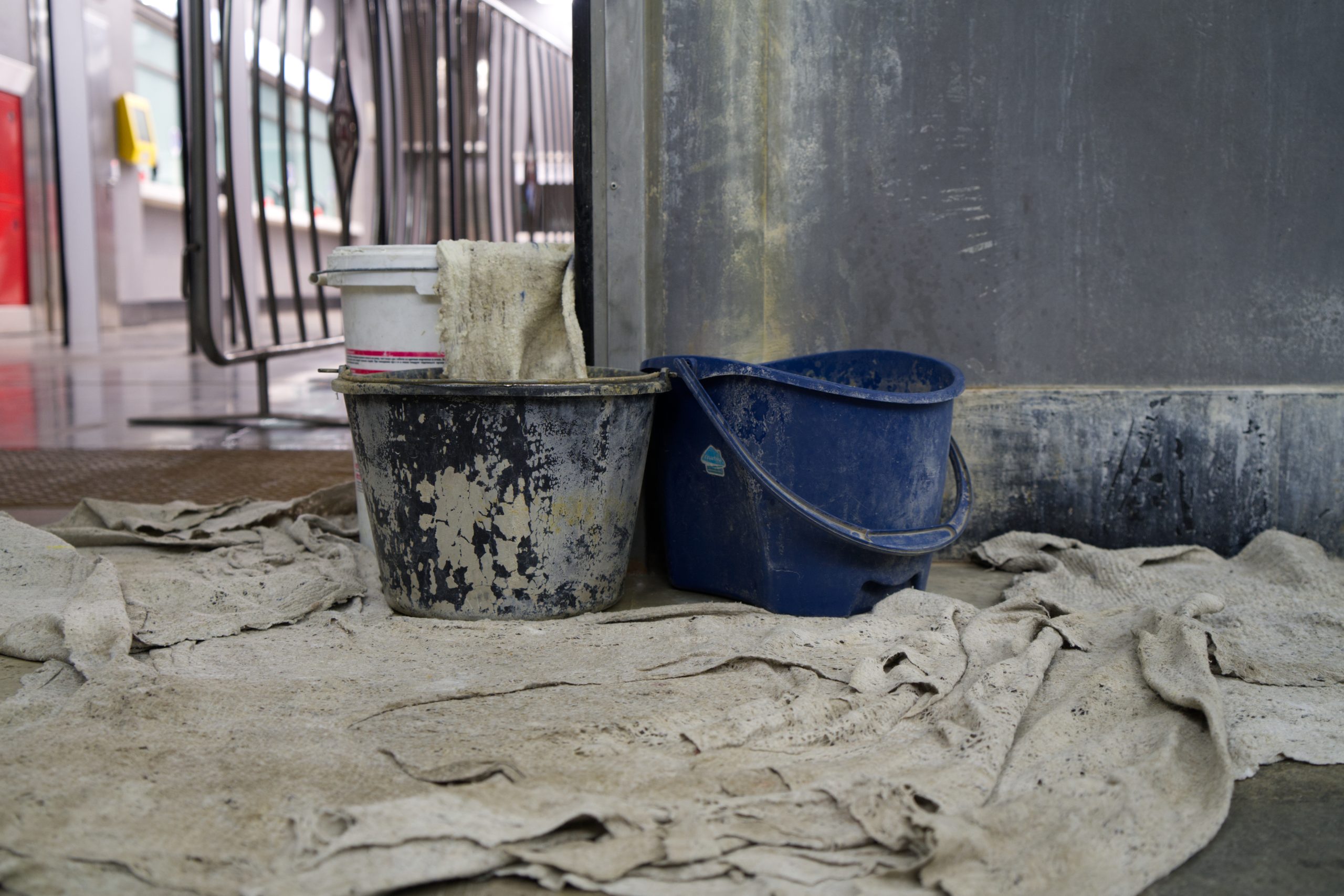
For a small amount of clean water, use towels, mops or a wet vacuum. For anything more than a small puddle, professional water damage restoration with truck-mounted extraction removes far more water, which shortens drying time.
7. Move belongings to a dry area
Lift furniture onto blocks or foil, take rugs off wet floors, and move electronics, documents and photos to a dry room. For larger losses, a contents pack-out and storage service can inventory, clean and store your belongings while your home is repaired.
8. Dry the structure, not just the surface
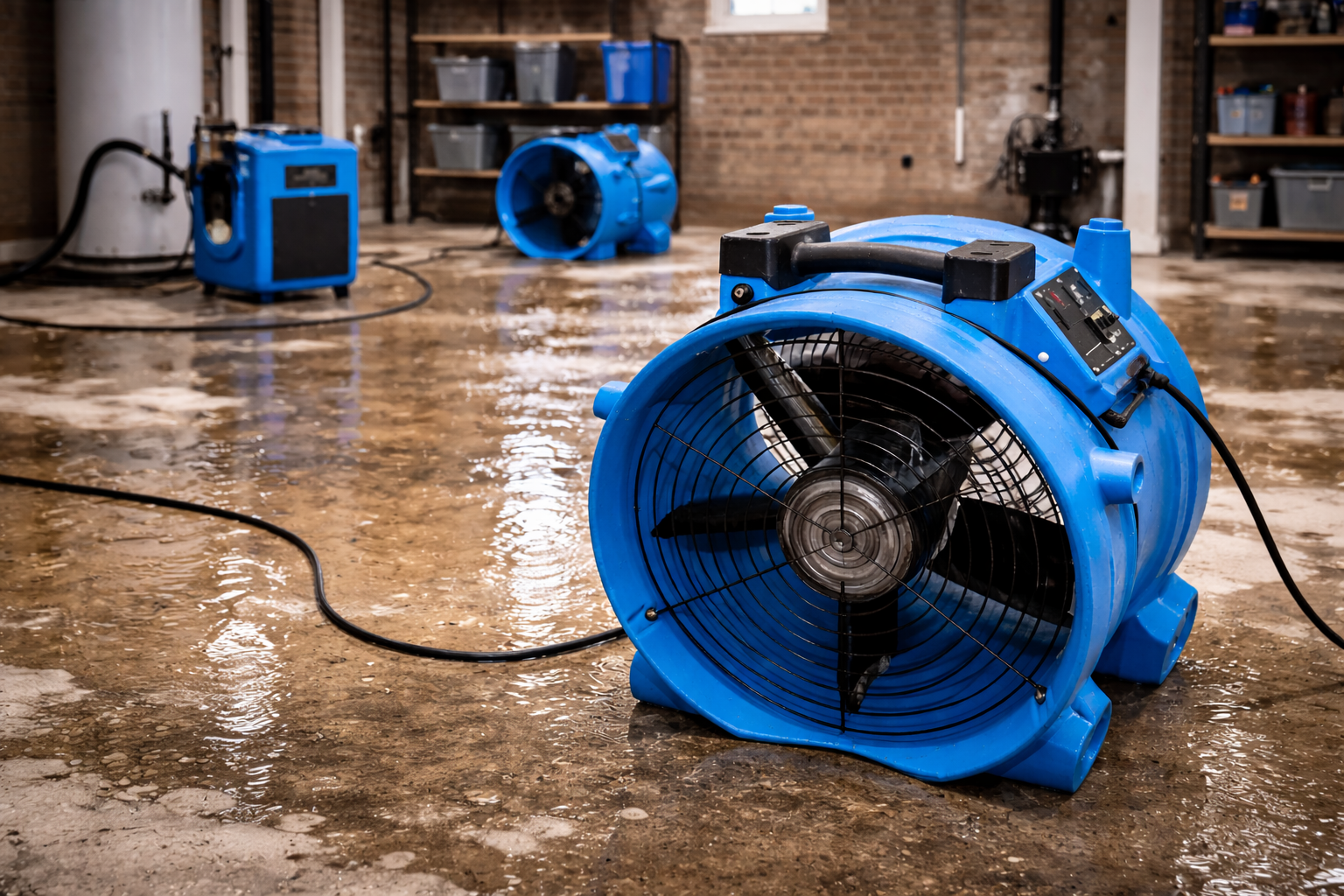
Floors and walls can look dry while water is still trapped inside. Professionals use moisture meters, thermal cameras, air movers and dehumidifiers to dry the structure to a safe level, and they check readings every day until it is done.
9. Watch for mold
A musty smell, dark spots on walls or baseboards, or allergy symptoms can mean mold is growing. Do not disturb large areas of mold yourself. Professional mold remediation uses containment and HEPA filtration so spores do not spread to other rooms.
10. Repair and rebuild
Once everything is dry, damaged drywall, flooring, baseboards and cabinets can be replaced. Working with one company for both cleanup and reconstruction and repairs saves time and keeps your insurance claim simple.
Common Causes of Water Damage in Southern California and Texas
- Burst or frozen pipes and failed supply lines
- Leaking water heaters, washing machines and dishwashers
- Slab leaks under older homes
- Roof leaks after heavy rain or storm damage
- Flash flooding and flooded homes and basements
- Toilet and sewer backups
When to Call a Professional
Call a restoration company if water has soaked into walls, ceilings or flooring, if more than one room is affected, if the water is grey or black, or if you notice a musty smell. Fast, professional drying usually costs less than replacing materials that stayed wet too long.
Frequently Asked Questions
How quickly should water damage be cleaned up?
As soon as possible. Standing water should be removed and drying started right away, because mold can begin to grow on wet materials within 24 to 48 hours.
Can I clean up water damage myself?
Small spills of clean water can often be handled with towels, a wet vacuum and fans. Larger leaks, water inside walls or under flooring, and any sewage or flood water need professional extraction, moisture meters and commercial drying equipment.
Does homeowners insurance cover water damage?
Most policies cover sudden and accidental water damage, such as a burst pipe or a failed water heater. Damage from slow leaks, poor maintenance or outside flooding is often excluded or needs separate flood coverage. Check your policy and call your insurer early.
How long does water damage restoration take?
Drying usually takes 3 to 5 days, depending on how much water there was and what materials got wet. Repairs such as drywall, flooring and cabinets can take longer, depending on the size of the job.
Need Help Now? Core Restore Is Available 24/7
Core Restore provides 24/7 water damage restoration across Los Angeles, Ventura County, Orange County and Dallas–Fort Worth. We extract the water, dry your home, and help with your insurance claim from start to finish. Call (888) 914-2673 or request a free inspection.