About this guide: Written by the Core Restore editorial team. Core Restore is a 24/7 water, fire, mold and storm damage restoration company headquartered at 703 Arroyo St, San Fernando, CA, serving Los Angeles, Ventura, Orange County and Dallas–Fort Worth. This guide is general information; every property is different, so contact us for advice on your situation.
Mold is one of the most common problems that follows a leak, burst pipe or flood. When drywall, carpet, wood or insulation stay wet, mold can start to grow quickly and spread out of sight. This guide explains the warning signs of mold after water damage, why it happens, and when it is time to call a professional.
Why Mold Grows After Water Damage
Mold spores are present almost everywhere, indoors and out. They only need moisture, a food source such as drywall paper, wood or dust, and time. According to the U.S. EPA, drying wet materials within 24 to 48 hours helps prevent mold growth. When water soaks into walls, under flooring or into a crawl space and is not dried properly, the conditions are ideal for mold.
Warning Signs of Mold After a Leak or Flood
- A musty or earthy smell that does not go away
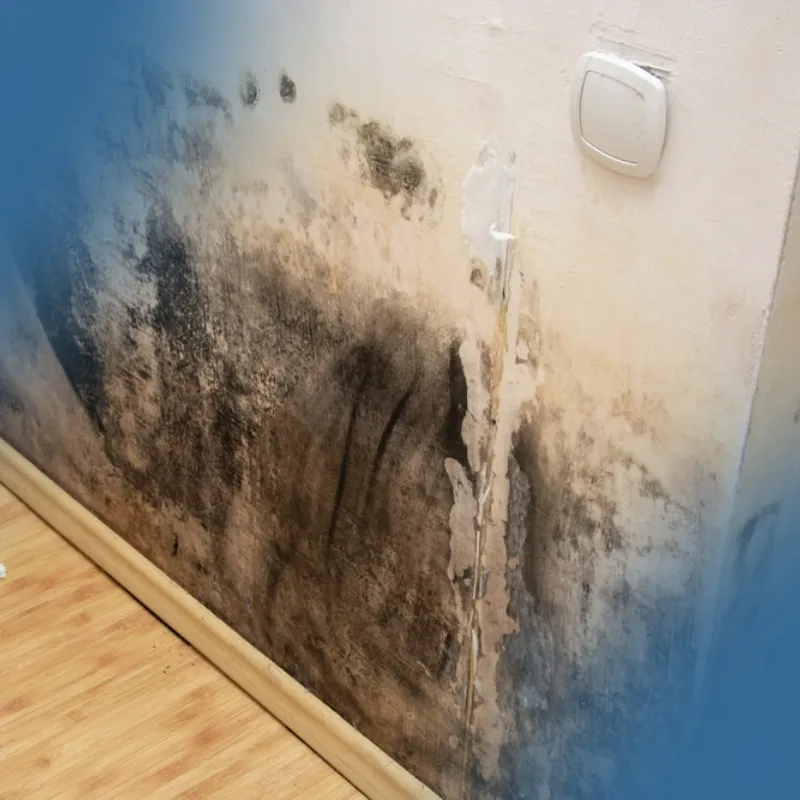
- Dark spots, fuzzy patches or discoloration on walls, ceilings, baseboards or grout
- Peeling paint, bubbling wallpaper or warped drywall
- Water stains that keep growing or come back after cleaning
- Condensation or high humidity in a room, basement or crawl space
- Allergy-like symptoms, such as sneezing or itchy eyes, that improve when you leave the home
Where Hidden Mold Often Starts
Hidden mold usually begins where water collected and could not dry: inside walls behind a leaking pipe, under carpet padding, beneath sinks and appliances, in ceiling cavities after a roof leak, and in crawl spaces and basements. Slow plumbing leaks and older slab leaks are common causes in Southern California homes.
What to Do If You Find Mold
- Fix the moisture source first. Cleaning mold without stopping the leak will not solve the problem.
- Do not disturb large areas. Scrubbing or tearing out moldy materials can release spores into other rooms.
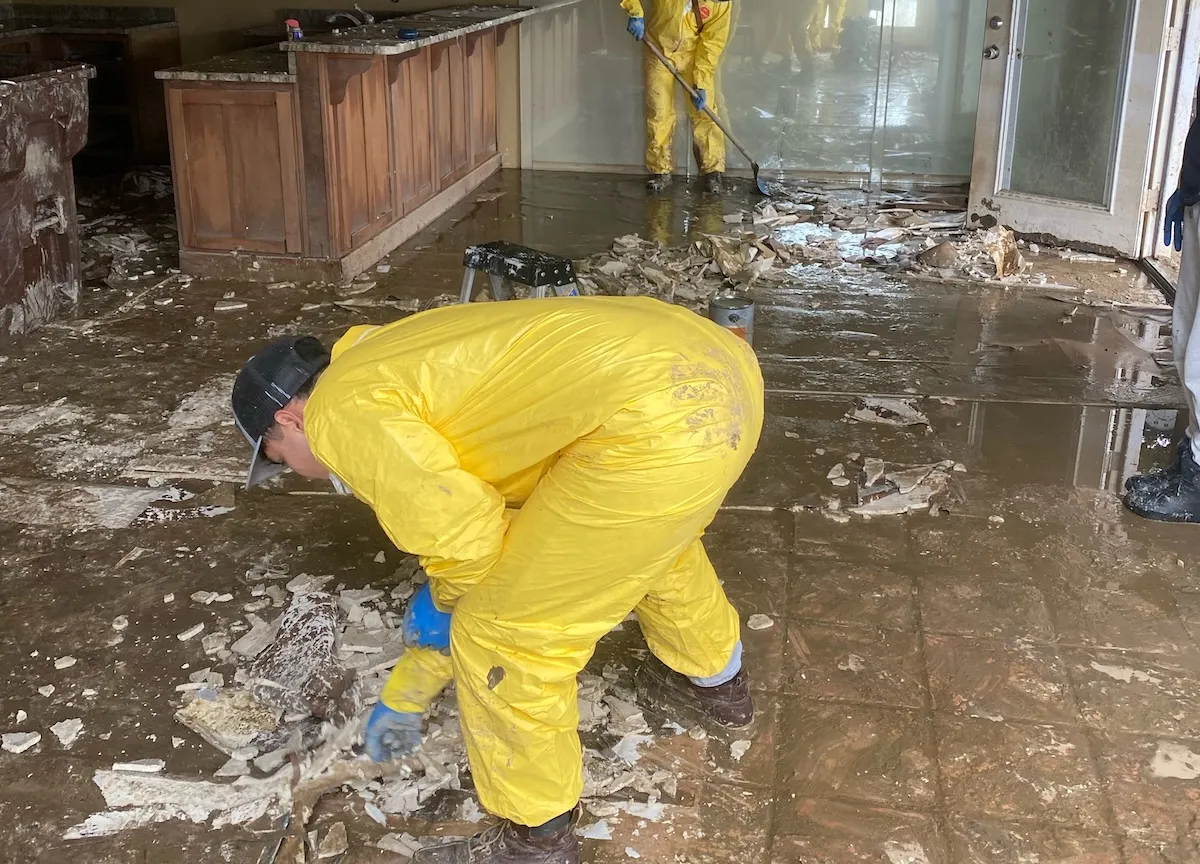
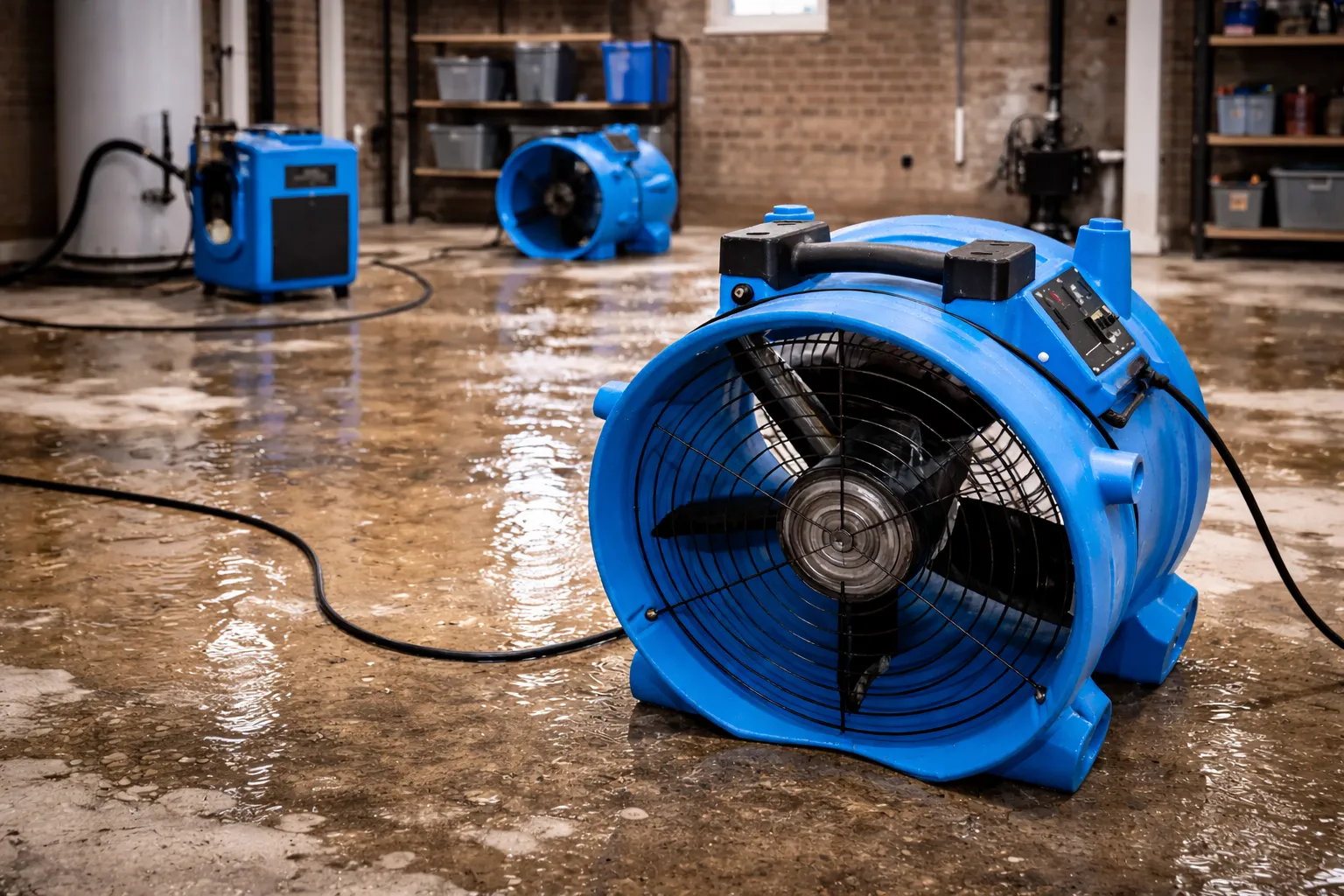
- Dry the area. Use fans and a dehumidifier for small, clean-water spills, or call for professional water damage restoration if water has soaked into walls or floors.
- Document it. Take photos for your records and your insurance company.
- Get a professional assessment for anything larger than a small surface patch, or if anyone in the home has health concerns.
How Professional Mold Remediation Works
Professional mold remediation usually follows these steps: an inspection to find the extent of the mold and the moisture source; containment to keep spores from spreading; removal of affected materials that cannot be cleaned; HEPA air filtration and cleaning of surfaces; drying; and final checks before repairs begin. If walls or flooring were removed, reconstruction completes the job.
If your home has recently had a leak or flood, our guide on what to do after water damage explains how to lower the risk of mold from the start.
Frequently Asked Questions
How soon can mold grow after water damage?
Mold can begin to grow on wet materials within 24 to 48 hours. That is why drying should start as soon as possible after a leak or flood.
Can I clean up mold myself?
The EPA suggests that small areas of mold (less than about 10 square feet) can often be cleaned by a homeowner, as long as the moisture problem is fixed. Larger areas, mold inside walls or HVAC systems, or mold after sewage or flood water should be handled by professionals.
Will painting over mold fix the problem?
No. Paint does not remove mold or fix the moisture that caused it. Mold can keep growing underneath and the paint will peel. The affected material needs to be cleaned or removed and the area dried.
Worried About Mold After Water Damage?
Core Restore provides mold inspection and mold remediation for homes and businesses across the San Fernando Valley, Los Angeles, Ventura County, Orange County and Dallas–Fort Worth. Call (888) 914-2673 or book a free inspection.